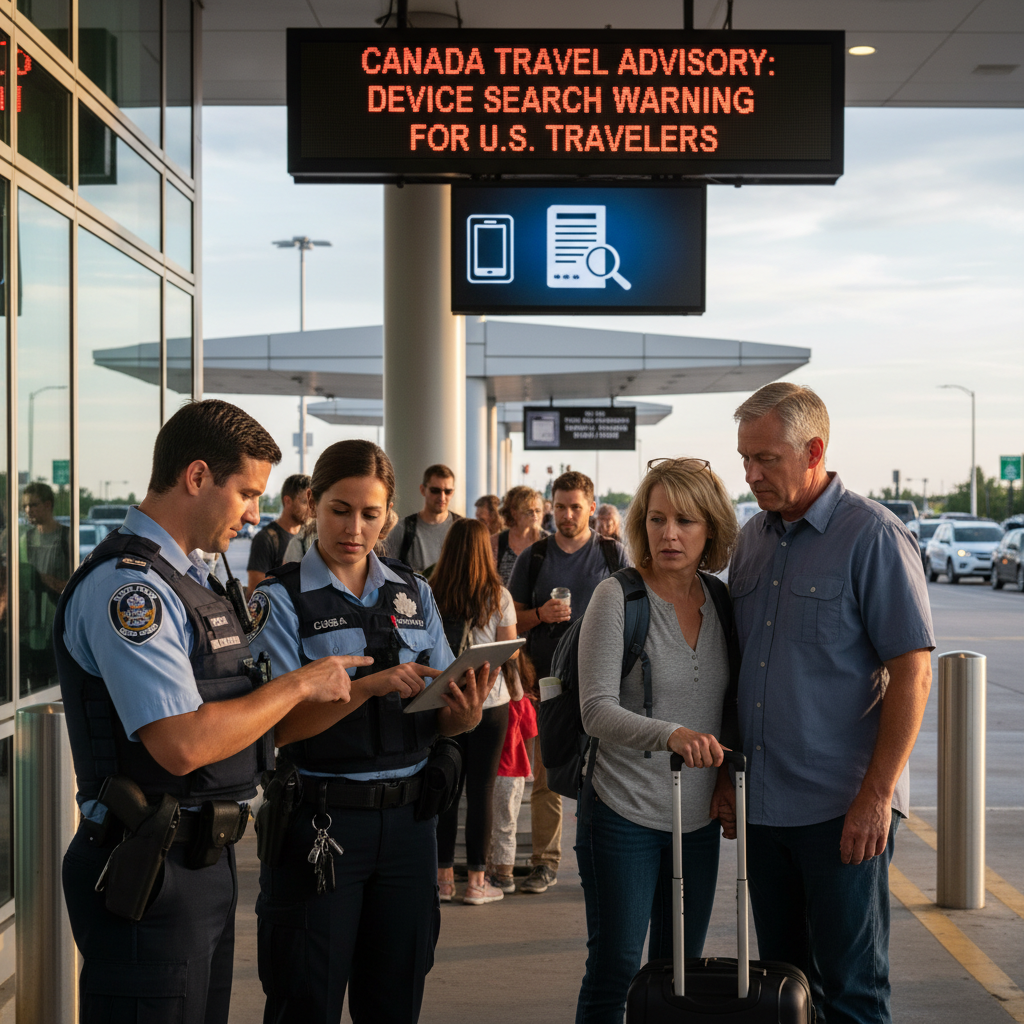
The Canadian government has recently updated its travel advisory for citizens heading to the United States, issuing a pointed warning about the potential for electronic device searches by U.S. Customs and Border Protection (CBP) officers. This update reflects growing concerns regarding privacy and the extent of border search authorities under U.S. law.
Understanding the Advisory
Global Affairs Canada's updated advisory explicitly states that Canadian travelers "may be asked to provide their electronic devices, such as cell phones, laptops, and tablets, for inspection" upon entry into the U.S. More critically, it warns that travelers may be compelled to unlock these devices or provide passwords to CBP officials. The advisory highlights that refusal to comply could lead to denial of entry into the U.S., or even the seizure of the devices.
This advisory comes amidst a backdrop of increasing reports from individuals, including Canadian citizens, detailing requests for device access at U.S. land and air borders. While U.S. border officials maintain broad authority to search individuals and their belongings, including electronic devices, without a warrant at the border, privacy advocates on both sides of the border have raised significant concerns about the scope and implications of such searches.
Why the Update Now?
The decision to update the travel advice underscores Canada's commitment to informing its citizens about evolving travel conditions and potential challenges. It suggests a recognition by the Canadian government that these practices are not isolated incidents but a systemic possibility that travelers should be prepared for. The advisory serves as a proactive measure, empowering Canadians with knowledge to navigate potential encounters with U.S. border officials.
Crucially, the advisory also points out that Canadian consular officials cannot intervene in U.S. border procedures or legal processes. This emphasizes that while the Canadian government can offer advice, its ability to assist citizens subjected to these specific searches at the U.S. border is limited, placing the onus of awareness and preparation firmly on the traveler.
What Travelers Should Know and Do
- Be Prepared: Travelers should be aware that their electronic devices might be subject to search.
- Consider Data Security: If carrying sensitive personal or professional information, consider encrypting your devices or temporarily removing sensitive data before traveling. Cloud storage or a 'clean' device for travel are options.
- Know Your Rights (and Limitations): While U.S. citizens have Fourth Amendment rights against unreasonable searches, these rights are significantly curtailed at the border. Foreign nationals may have even fewer protections.
- Compliance vs. Refusal: Understand that refusing to unlock a device or provide a password may lead to denial of entry into the U.S. or device seizure.
- Maintain Composure: If selected for a device search, remain calm, polite, and cooperative, while also being clear about your concerns if any.
This updated advisory serves as a vital reminder for Canadians traveling south of the border that digital privacy rights can differ significantly at international checkpoints. It urges travelers to exercise caution and make informed decisions about the data they carry on their electronic devices.
Planning Your Next Trip?
Don't let travel advisories deter your adventures! Find the best flight and hotel deals to make your journey smoother and more affordable.
Explore Flight & Hotel Deals Now!Leverage bestflighthoteldeals.com to compare prices and book your perfect getaway with ease.